“In the Mood for Love” is a Beautiful Piece of Art.
Wong Kar Wai captures the beauty and the terrible aspects of love in his film from 2000.
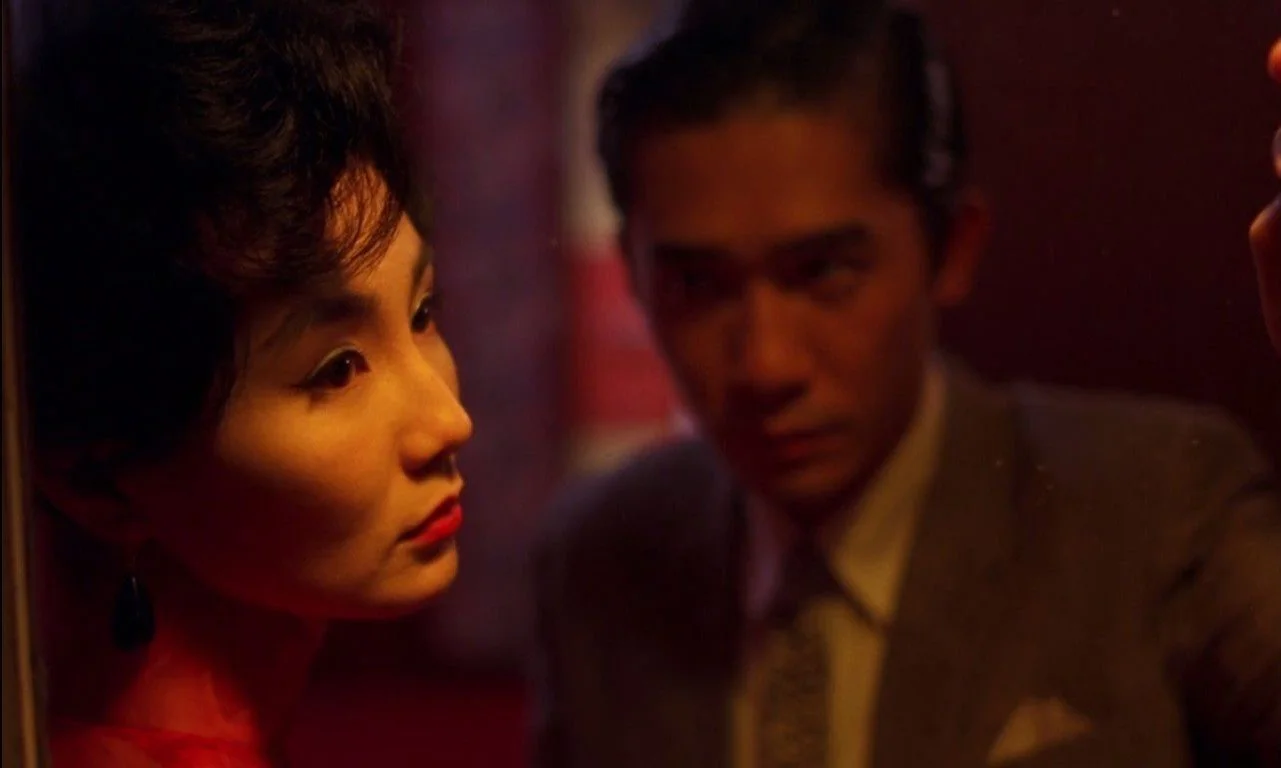
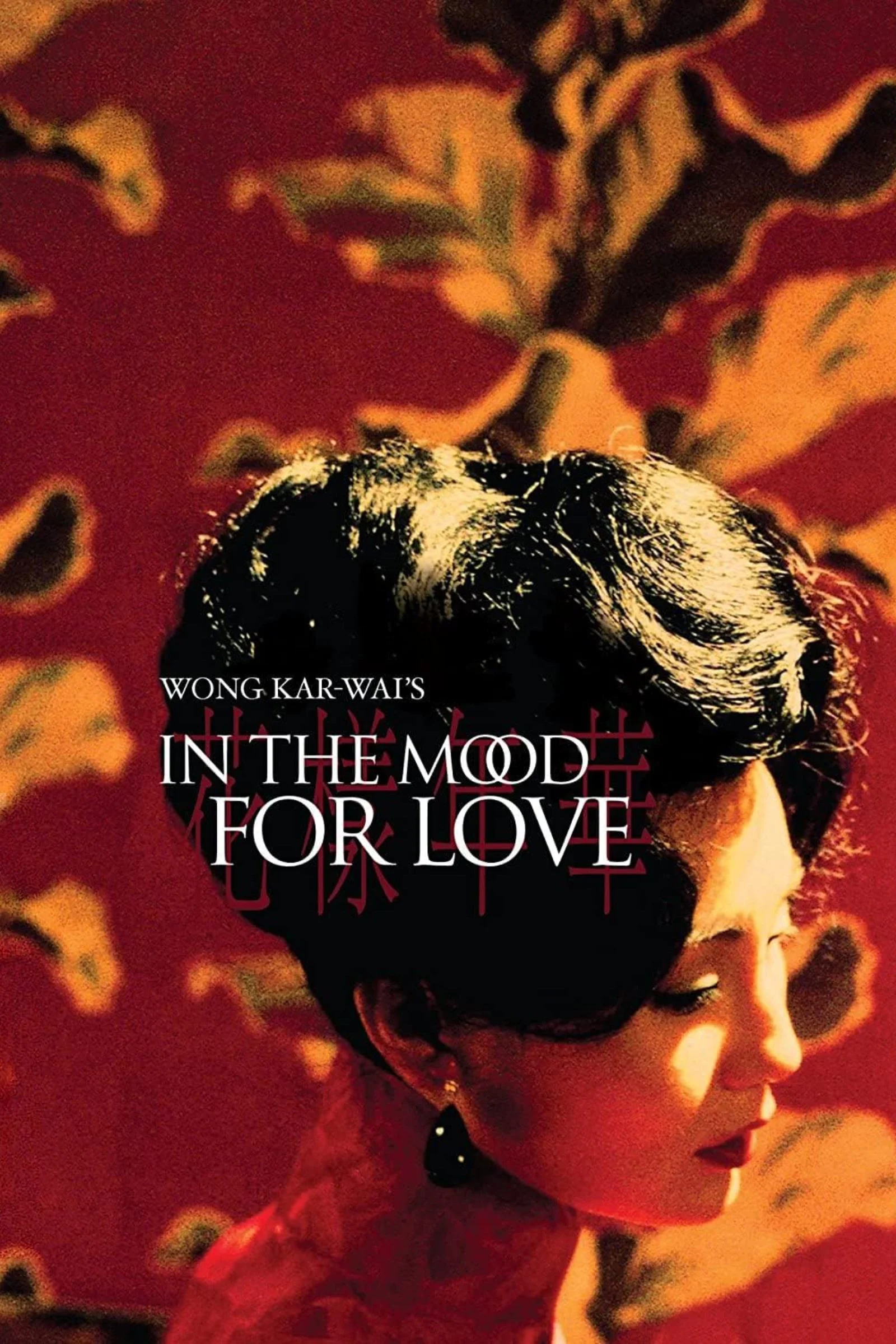
Tony Leung Chiu-wai and Su Li-zhen in “In the Mood for Love
Have you ever watched a film that completely changed the way you viewed beauty? A film where both the story and the mise-en-scène are phenomenal? “In the Mood for Love” is that film.
The 2000 film “In the Mood for Love,” written and directed by the legendary Wong Kar-wai, is one of the greatest films I have ever had the pleasure of watching. Wong Kar-wai is a director from Hong Kong who has made many critically acclaimed films, including "Fallen Angels” (1995) and “Chungking Express” (1994). He is well known for his unique cinematography style, which is easily distinguishable from that of other filmmakers. He is also known for his unconventional approach to storytelling — both of which are in full display in “In the Mood for Love.”
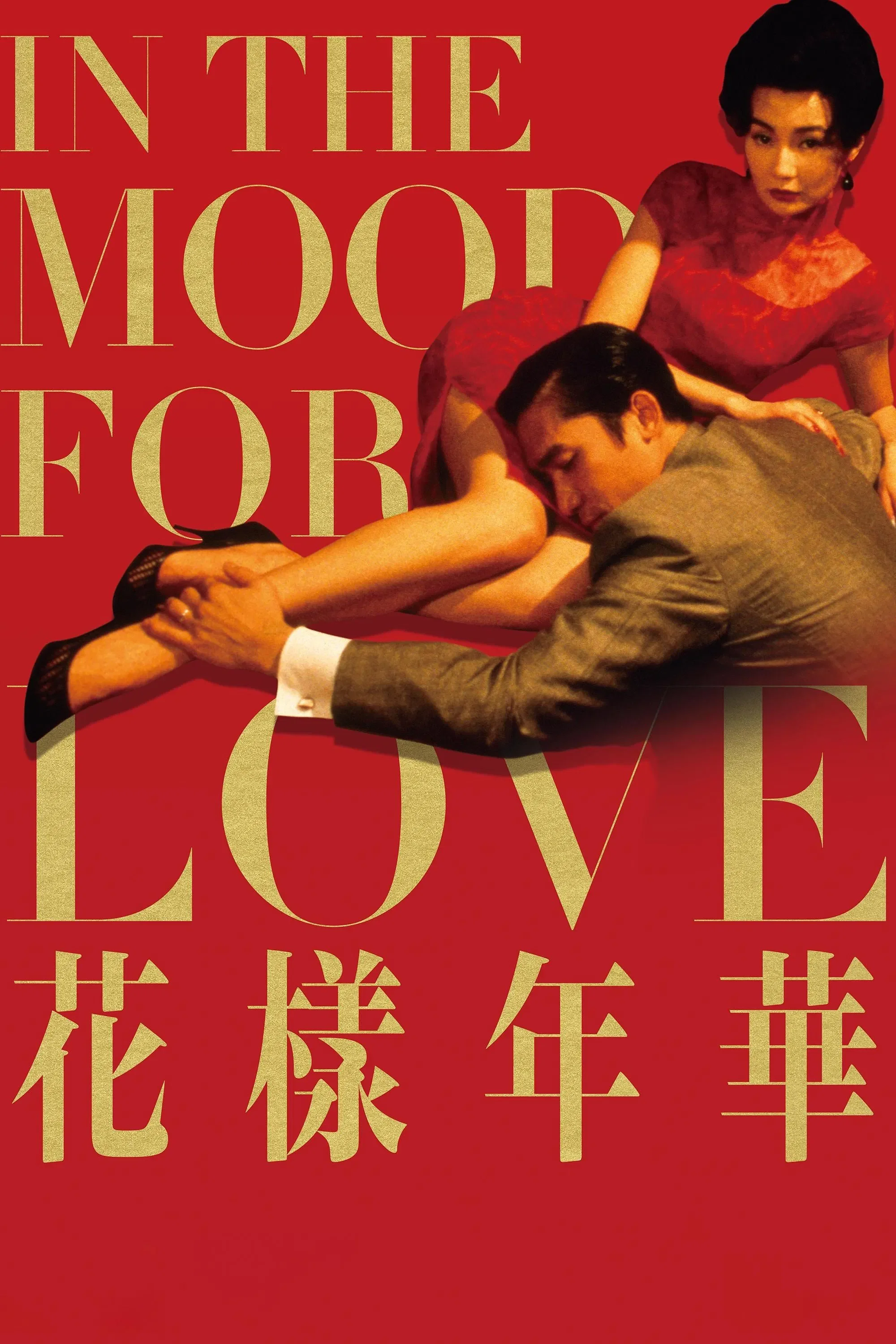
The story, set in the early 1960’s, follows a journalist, Chow Mo-wan (Tony Leung Chiu-wai), and Su Li-zhen (Maggie Cheung) as she moves into a new apartment beside Chow. They are both married, but their partners are always away at work, leaving Chow and Su alone. At first, Chow and Su don’t really interact with one another and only give each other passing greetings. This changes as Chow and Su suspect that their partners are cheating with the other’s partner. Chow finds his wife with a bag purchased overseas — Su finds her husband with a tie that’s pretty much the exact same as one of Chow’s.
They begin to spend more time with each other in secrecy to learn more about their partner's affair. This causes them to spend a lot of time with one another in secrecy — trying to hide away from their neighbors and the landlady. Chow invites Su to help him write a martial arts serial in his apartment. When the neighbors and landlady find out about the two of them spending time together, they begin to gossip. Because of this, Chow rents a hotel room elsewhere for the two of them to continue on the serial. As they write and spend time together, they express that they have gained feelings for one another.
Shortly after, Chow receives a job offer in Singapore. Chow asks her to move to Singapore with him, but she arrives at the hotel too late to meet him. Afterwards, she flies to Singapore and goes to Chow’s apartment. She calls him but doesn’t say a single word. Chow doesn’t know it’s her until after he finds a cigarette butt with her lipstick in his ashtray.
Years later, Su goes back to the apartment she used to rent and asks her old landlord if her room is available to rent. Later, Chow visits his former landlords and asks about the Suen family next door. They inform him that the family has moved and that a lady now lives there with her son. Chow leaves unaware that the woman in the room next door is Su.
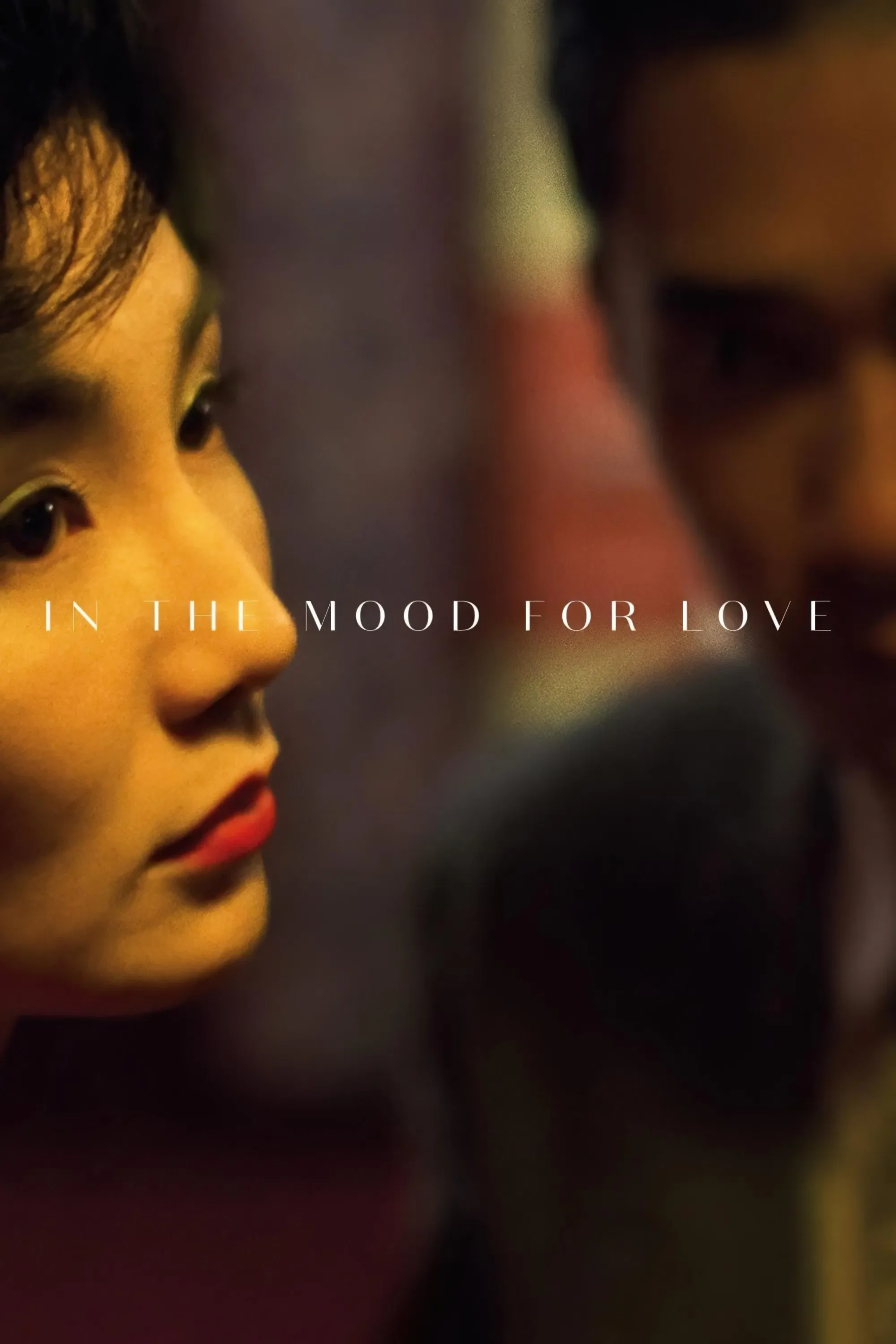
The film is a beautiful and devastating story. The cinematography is the best I have seen in a film. The way Wong Kar-wai uses set and costume designs makes for a gorgeous film. Every scene in the film is art. There wasn’t a single moment while watching this film where the cinematography takes away from the story — it only elevates it.
The story is a beautiful love story, even with the taboo subject of cheating. Chow and Su are in a difficult situation with their loneliness, and then they find out about their partners being unfaithful. It creates an emotional connection between the characters that is great to watch. The use of cinematography helps show the emotions and the headspace the characters are in, without having to explicitly tell us. The end of the film just really adds to the whole experience of the film. It is such a bittersweet ending where you can’t help but sympathize with the characters and feel the loss of their love.
If there were a film that could capture what love is, it would be “In the Mood for Love. It captures the beauty of what love can be — the beautiful connection between two people that changes who we are as people. As well as capturing the hurt and dread that comes with love — the hurt of not being the choice of your love, as well as the hurt of what could have been.
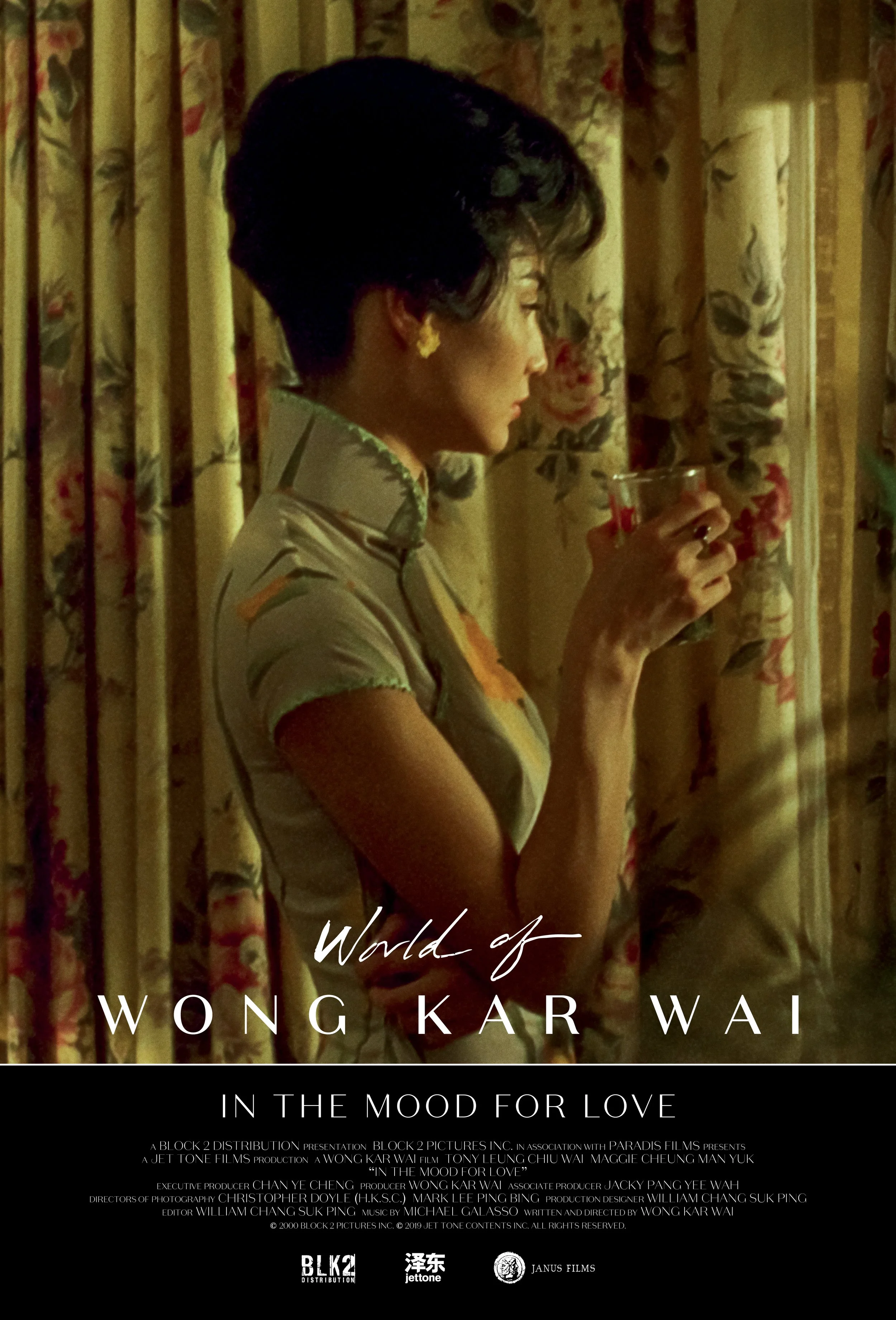
IMDB
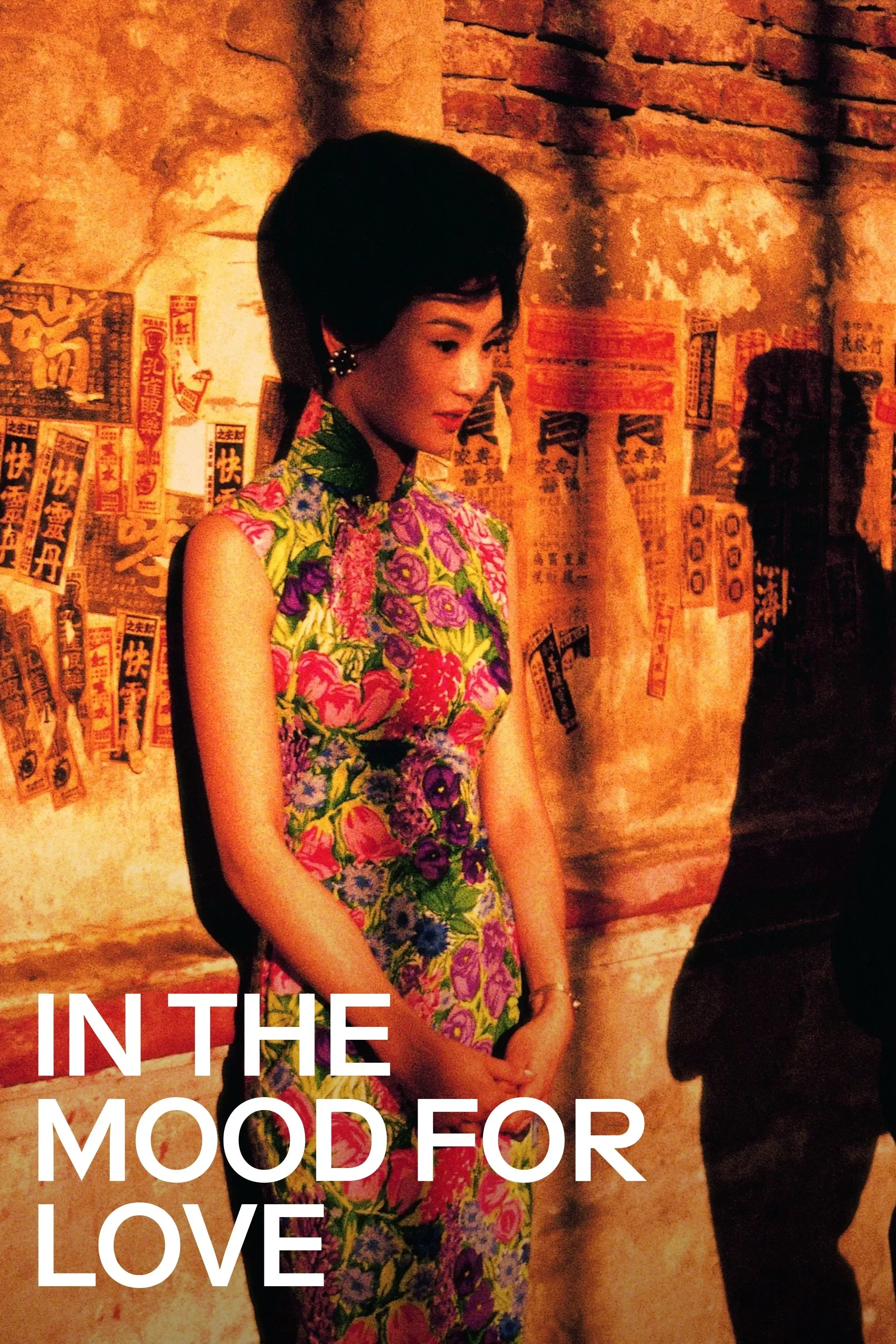
Criterion Collection
Letterboxd